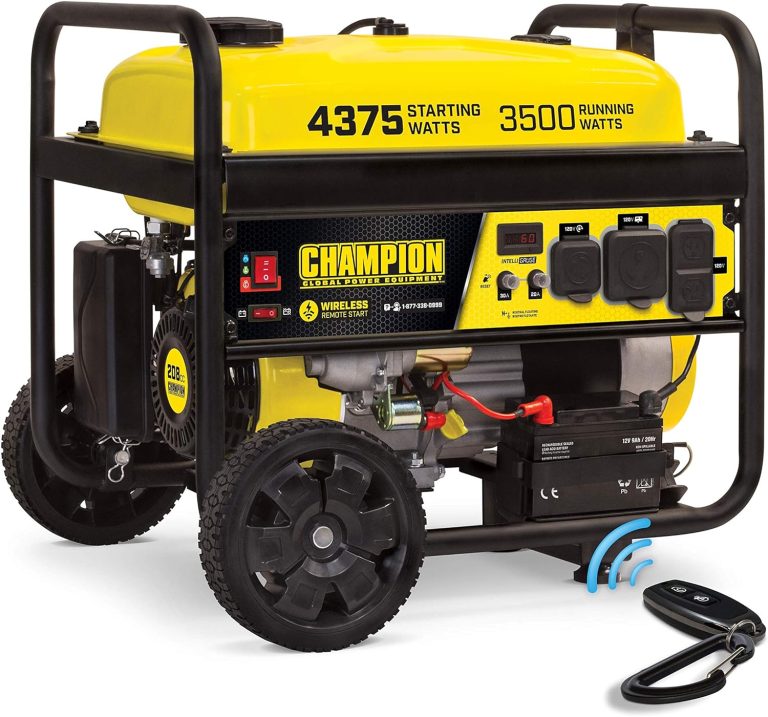
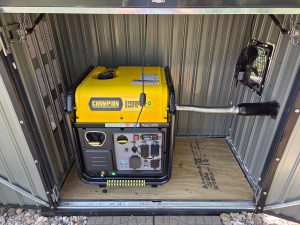
Since installing our whole house generator earlier in the year, we hadn’t had any power outages to test the system. This weekend, we finally lost power and got to test the system. Overall this was a success; our house had power and the furnace ran fine. I don’t know specifically what caused our entire neighborhood to lose power for 3+ hours, but it may have been related to the wind and cold (below 10 degrees F). Using this generator for the first time taught me a few lessons that I’d like to share, hoping to better inform everyone else looking to be prepared.
Know your equipment
It took me a while to get my generator to start. Its an electric start. It slowly cranked and cranked, but wouldn’t fire up. I tried pulling the rope starter, also with no success. After letting it sit for a few minutes, eventually it did turn over and fire up.
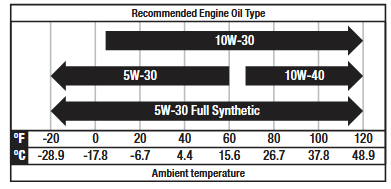
Pay attention to the types of oil your generator can use. My generator came with 10w-30, but as I found, this oil is NOT ideal for cold weather usage. According to the manual, 5w-30 synthetic is a better choice if it gets cold where you live.
Keep your battery charged and gas fresh
Since my generator is electric start, it has a battery that must have charge in order to start. Much like a car battery, if this battery sits too long, it will eventually lose charge. The battery will recharge while the generator runs. I’d suggest running the generator every few weeks for an hour or so to keep it charged and in good order. I was keeping active with this when the weather was nice, but once it got cold, I didn’t keep up the schedule. Put it on your calendar; run that generator for a while every month! You could also attach a trickle charger to keep it charged. Another suggestion for keeping it active…if you are doing any outdoor work, consider using the generator for power instead of you house/garage outlet.
I’m pretty good about not storing gas in lawn equipment long term, because I know this can cause problems. I generally only keep a small amount of gas in the generator, so I can add fresh when I need to run it. Try to find a balance of keeping some gas on hand, but rotating it out so it doesn’t get old. Alternatively, look into adding fuel stabilizer to your gas. If the gas in your generator goes bad, this is a recipe for disaster.
Get a decent gas can or spout
Back in my day, gas cans just worked. They had a spout and a vent, and gas poured out of them like it should. Sometime around the early 2000’s the U.S Government intervened and suddenly gas can spouts sucked. Its a hassle to get gas out of them. Its frustrating enough just adding some gas to your mower. Now imagine trying to empty a 5 gallon can into your generator while its cold, dark and windy. That was a frustrating and finger numbing experience. If your gas can is one of these “safety” models, solve that problem now. I highly recommend finding an old gas can or retro fitting your terrible spout with one that works. You can buy kits online.
Something like this works pretty well for most cans.

Get a headlamp
If you’re lucky, your sick wife will come out and hold a flashlight for you while you get your generator going. If she’s as awesome as mine, she won’t even complain. But in case you are alone and need to do any type of work in the dark, get a headlamp. They are fairly cheap and free up your hands. It can be something as simple as this.

Summary
Overall our whole house power generator worked well and provided the power we needed during an outage. By finally getting some real-world usage, I found some areas to make improvements. Changing the oil to something more climate appropriate, running the generator a little more often, and getting better gas can spouts should make life easier next time. Hopefully these tips will get you thinking about ways to be better prepared for a power outage.